Excerpts:
Focusing on legitimate governance, defined as governance for the well-being of all Koreans, addresses the root cause of the security threat. It provides an overarching principle that gives policymakers the foresight to plant diplomatic seeds that can be crucial later. It can create a pathway for the International Criminal Court (ICC) Prosecutor to initiate an investigation of the North Korean regime without a United Nations (UN) Security Council referral. It can establish that South Korea, not China, should govern North Korea in the event of its collapse. It acknowledges the reality that North Korea in its present state is highly unlikely to denuclearize. It maximizes the chances for a nuclear-free human rights-respecting outcome by eroding North Korea’s legitimacy. It also allows for the unlikely possibility that North Korea seeks to reform itself....The well-being of the Korean people is the correct measure for what constitutes legitimate governance by both Eastern and Western standards. The Chinese concept known as the Mandate of Heaven requires a leader to be just and can be withdrawn from a ruler when his people deem his actions excessively abusive.[4]Western notions of the social contract also espouse the people as the source of a government’s legitimacy; extreme abuse by a government renders it illegitimate.[5] The UN Declaration of Human Rights, the International Covenant on Civil and Political Rights, and other UN treaties are grounded in the rights of each human being. So also is the Responsibility To Protect (R2P) doctrine, which assumes that the government has a responsibility to protect its own people from atrocities and if it fails to do so, other states should intervene to provide that protection....Perhaps the greatest value of a campaign to erode the DPRK’s legitimacy is the pressure it puts on the DPRK as it seeks to avoid any downgrading of its status. Similar to the effect of the COI’s report, such a campaign could prompt some change in the DPRK’s behavior. De-legitimization is significant also because it potentially allows the ICC Prosecutor to initiate an investigation of the DPRK with jurisdiction based on the fact that the ROK is a state party to the Rome Statute, which governs the ICC.[7] The ROK Constitution states that the ROK’s territory encompasses the entire Korean peninsula, not just the southern part. Thus de-legitimization of DPRK offers an alternative path to the ICC if the Security Council does not refer it, which is likely given the veto powers of China and Russia. The UNGA can provide political backing and possibly financial resources to the ICC Prosecutor in the form of what could be called “Uniting for Justice” resolutions, as a nod to the previous time the UNGA had to act on Korea due to the deadlock of the Security Council. ICC action is preferable to the creation of an ad hoc tribunal because the ICC Prosecutor acting motu proprio, ideally with UNGA support, avoids the extra time and resources necessary for creating an ad hoc tribunal. Time matters as victims die each day from torture and starvation.
Conclusion:
Perhaps the greatest value of a campaign to erode the DPRK’s legitimacy is the pressure it puts on the DPRK as it seeks to avoid any downgrading of its status. Similar to the effect of the COI’s report, such a campaign could prompt some change in the DPRK’s behavior. De-legitimization is significant also because it potentially allows the ICC Prosecutor to initiate an investigation of the DPRK with jurisdiction based on the fact that the ROK is a state party to the Rome Statute, which governs the ICC.[7] The ROK Constitution states that the ROK’s territory encompasses the entire Korean peninsula, not just the southern part. Thus de-legitimization of DPRK offers an alternative path to the ICC if the Security Council does not refer it, which is likely given the veto powers of China and Russia. The UNGA can provide political backing and possibly financial resources to the ICC Prosecutor in the form of what could be called “Uniting for Justice” resolutions, as a nod to the previous time the UNGA had to act on Korea due to the deadlock of the Security Council. ICC action is preferable to the creation of an ad hoc tribunal because the ICC Prosecutor acting motu proprio, ideally with UNGA support, avoids the extra time and resources necessary for creating an ad hoc tribunal. Time matters as victims die each day from torture and starvation.
Seeking Legitimate Governance of the Korean Peninsula

The North and South Korean Border, Wikimedia Commons
By Grace M. Kang, Guest Columnist
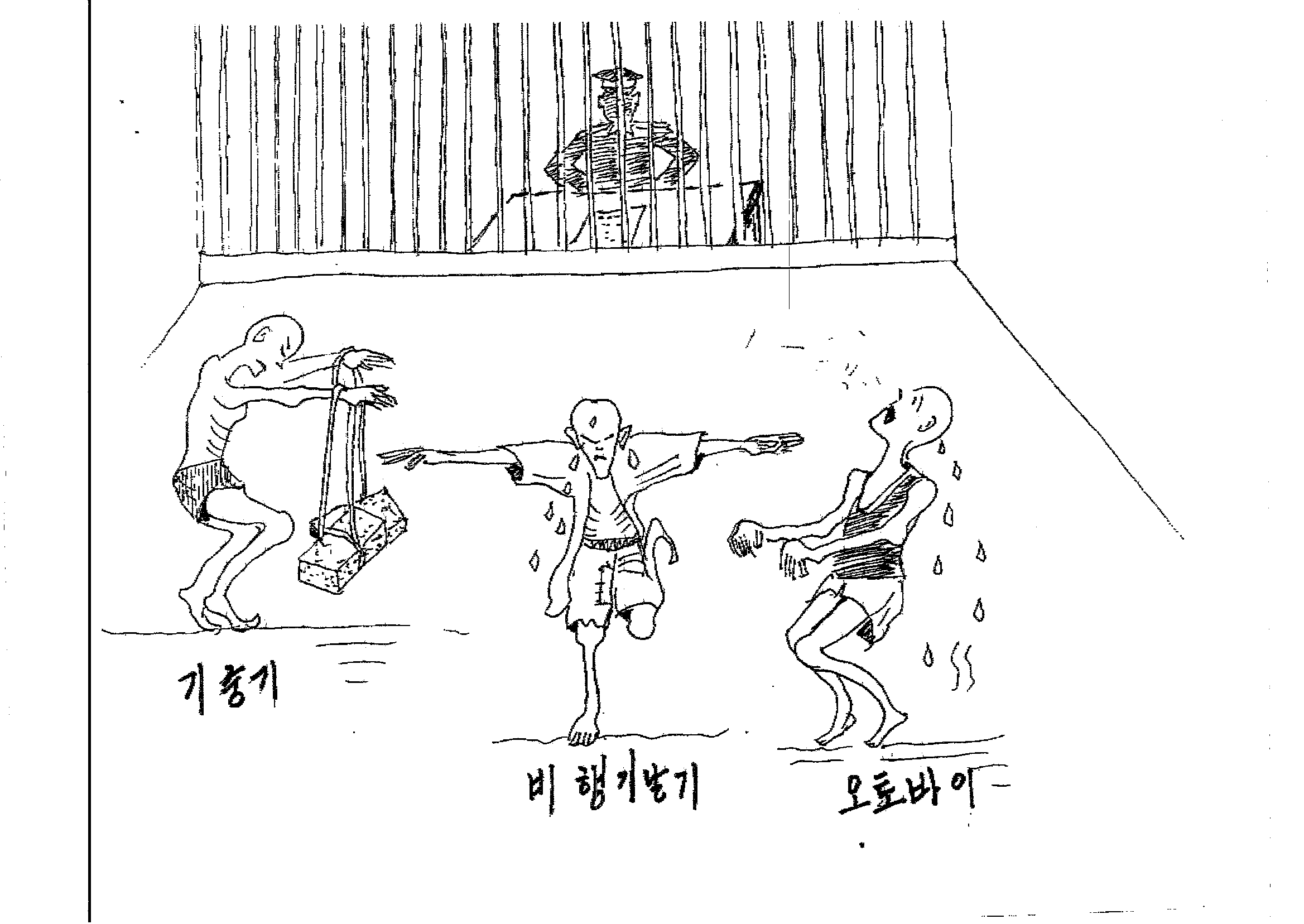
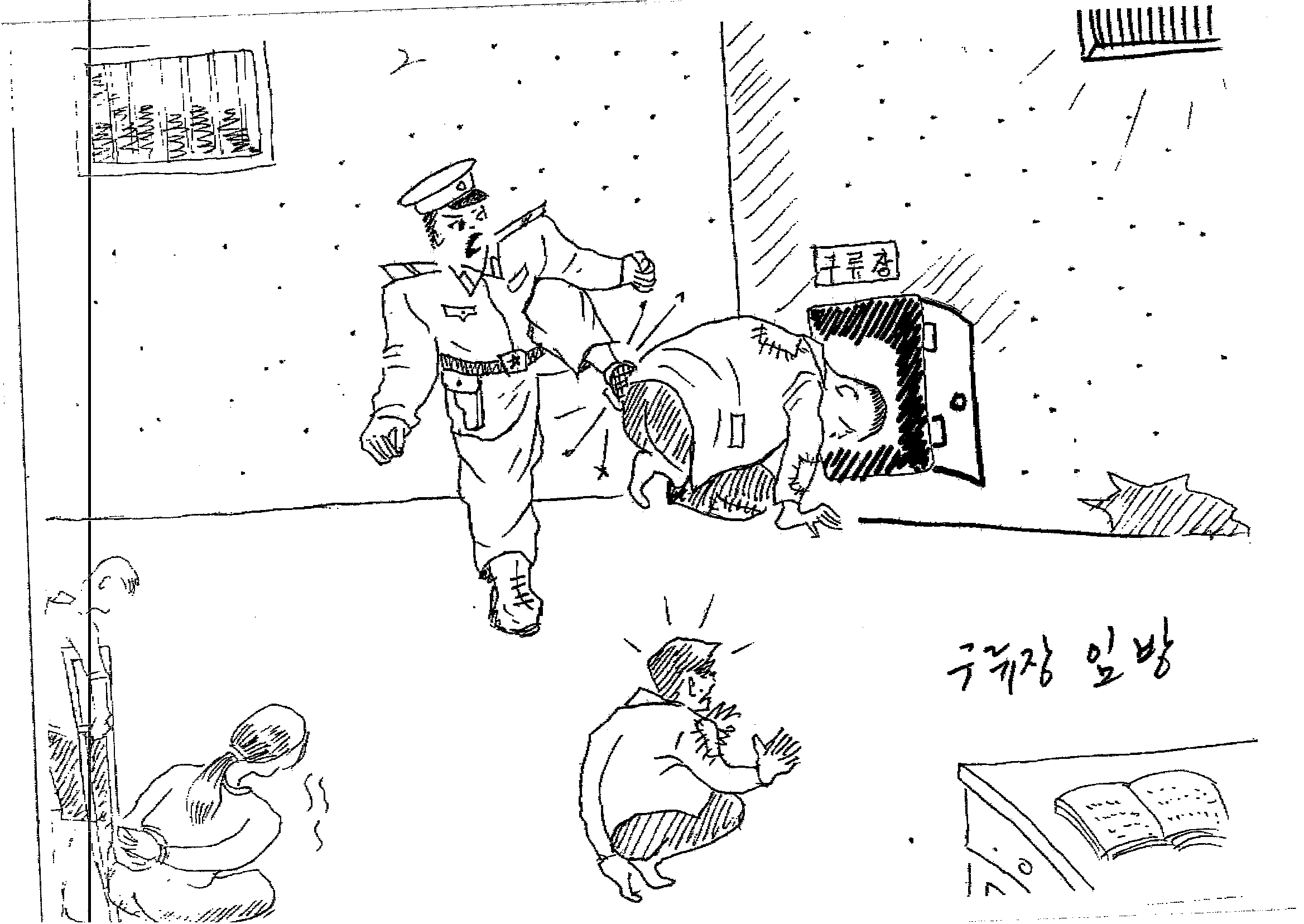
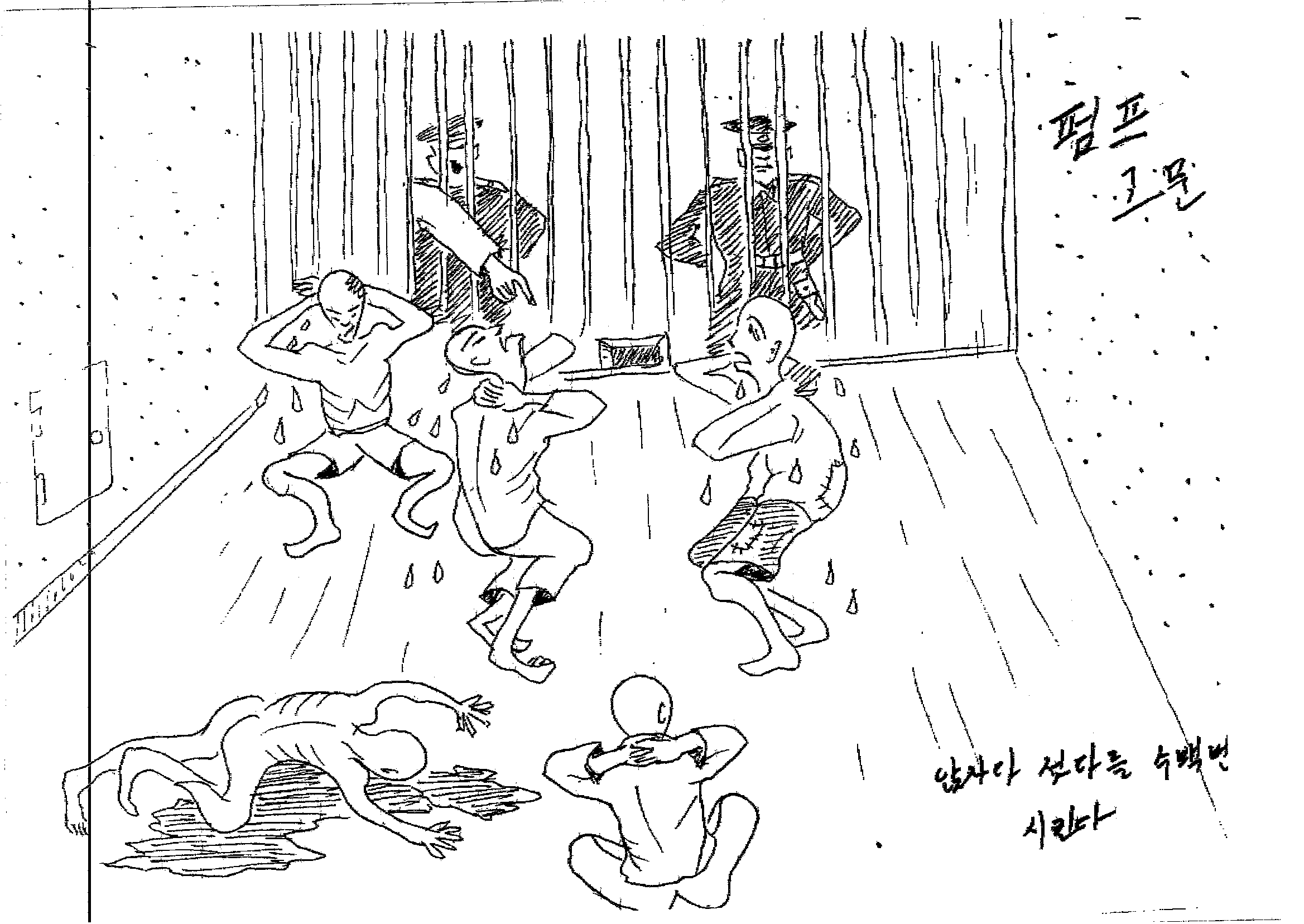
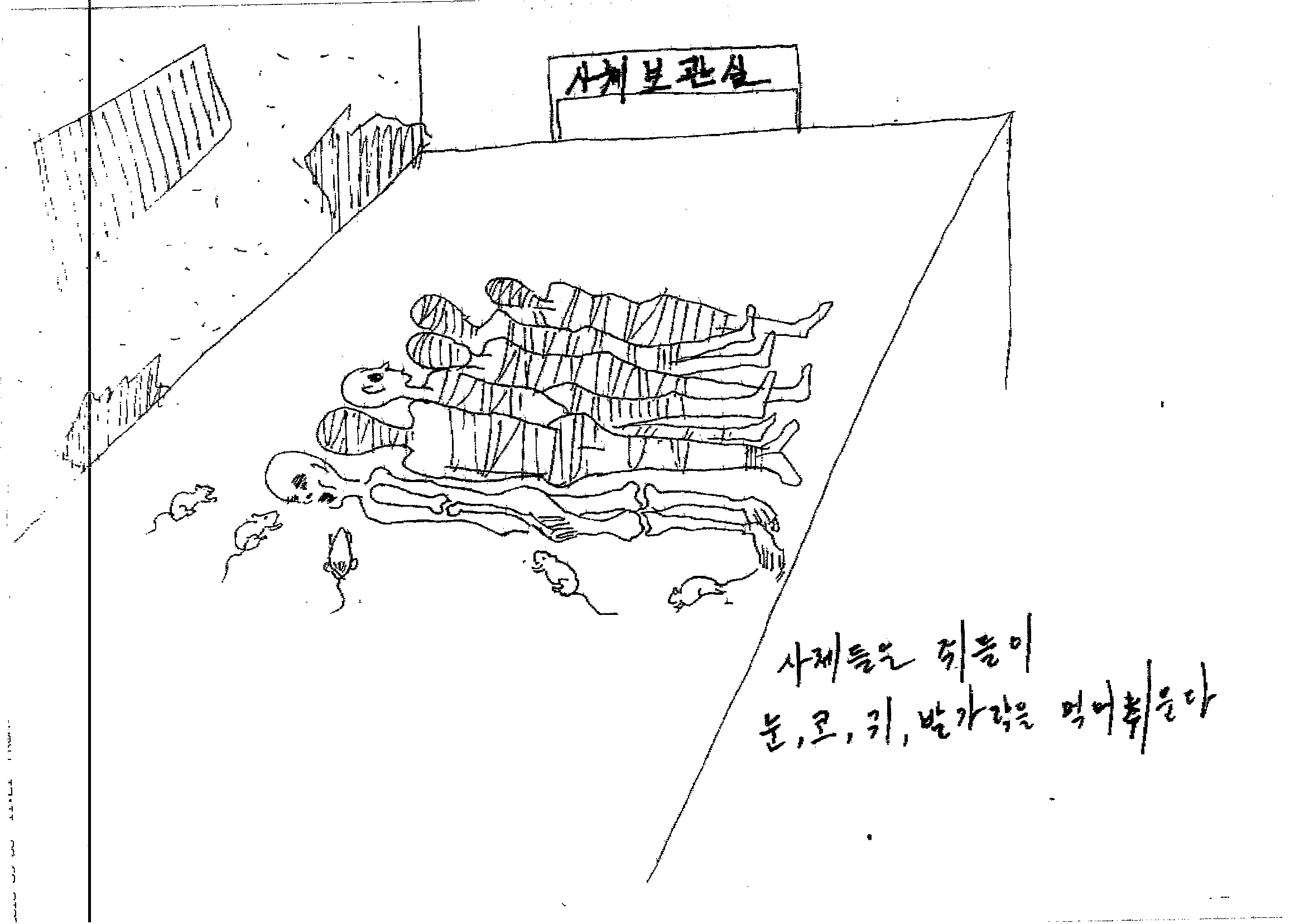
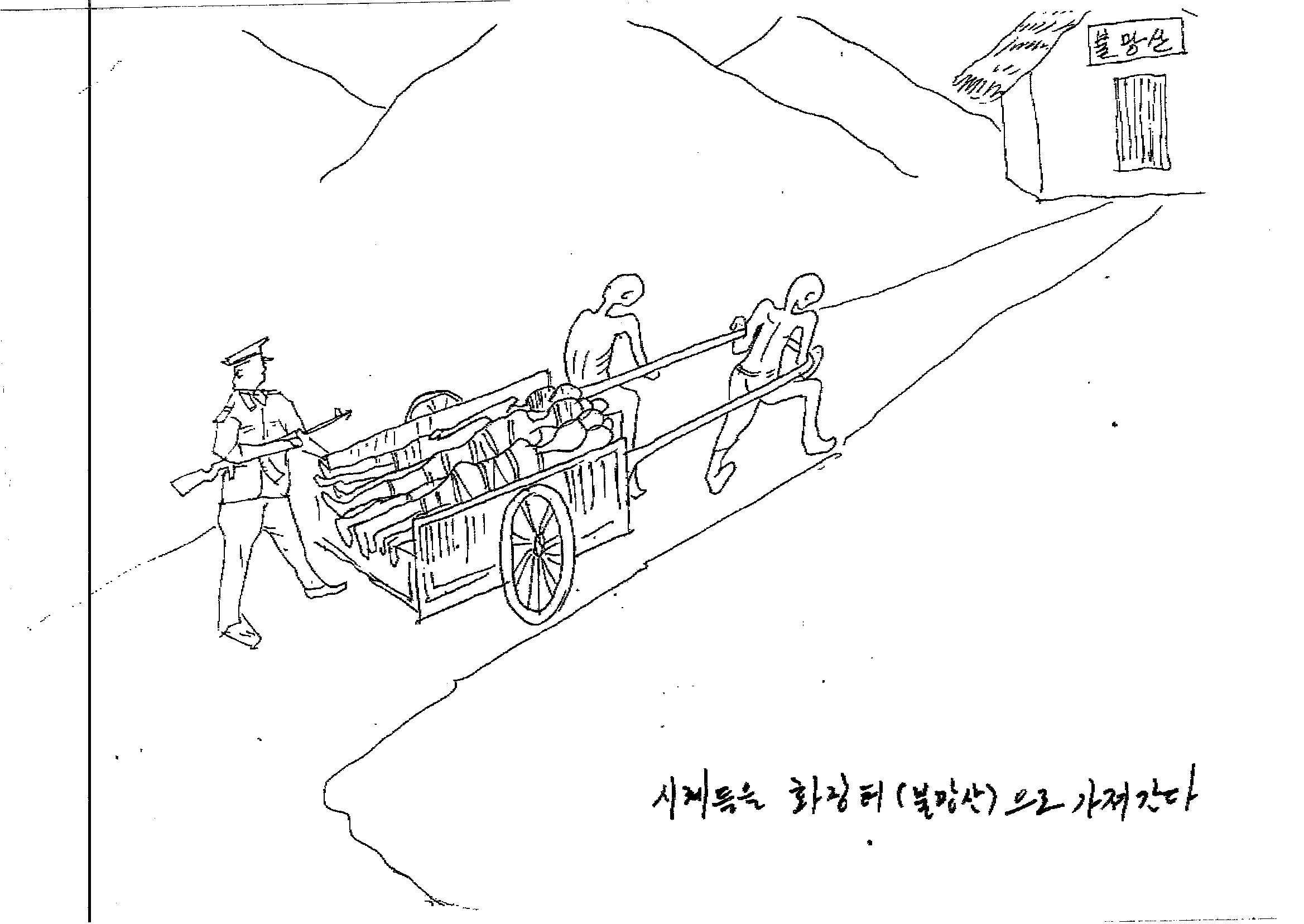
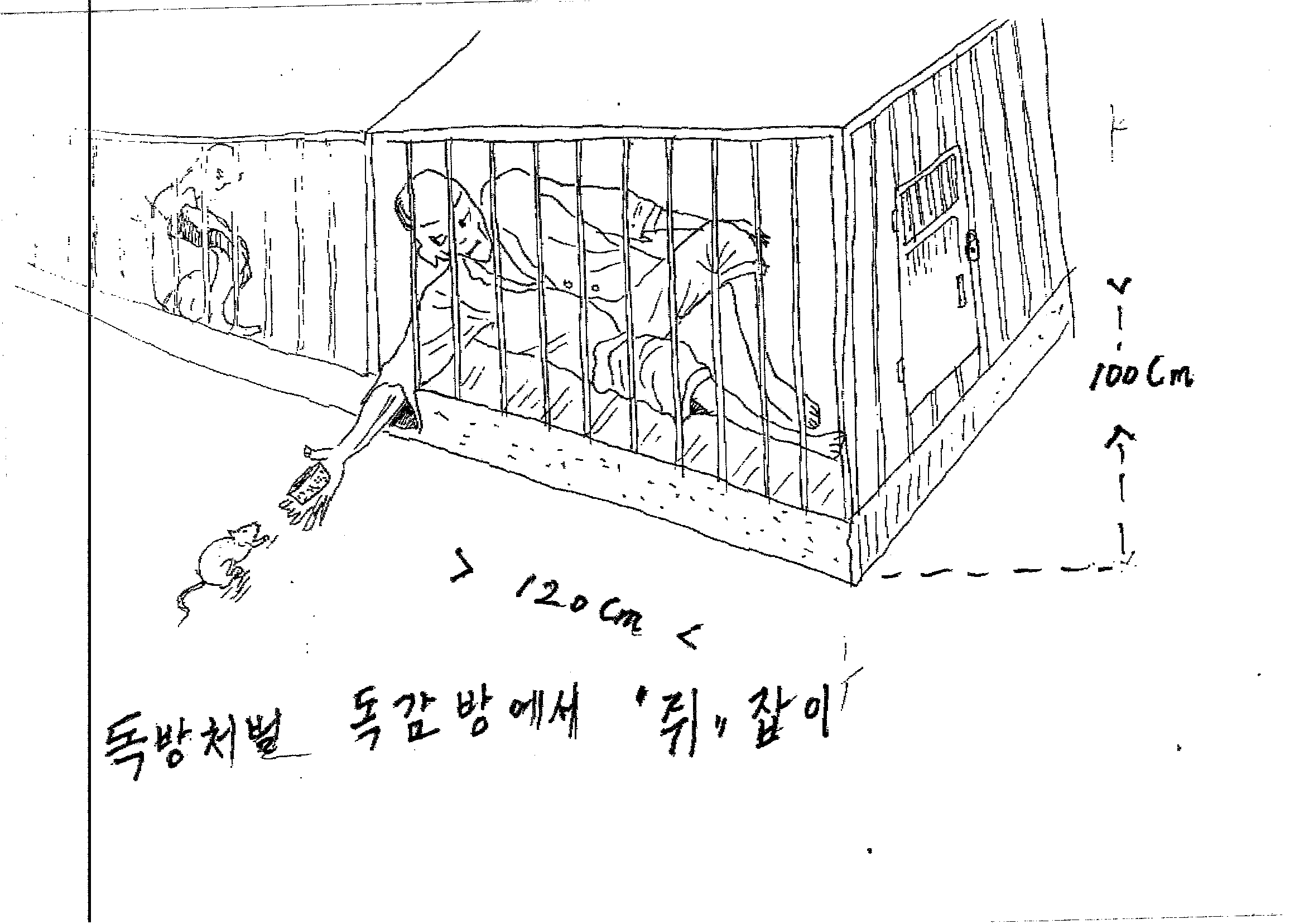
North Korea’s heinous crimes against humanity deserve the same sustained attention its nuclear weapons get. The regime’s systematic categorization and control of its citizens, with the lowest category condemned to political prison camps similar to those of the Nazi and Soviet eras, produces totalitarian terror unlike anywhere else today. Yet denuclearization as the prerequisite for broader peace negotiations is the dominant goal driving international community efforts. This approach, however, has not produced an effective strategy for resolving either the nuclear threat or human rights catastrophe. The international community should instead target an end state that can organize tactics into a strategy for solving both the nuclear threat and atrocity crimes: the legitimate governance of the Korean peninsula.
Focusing on legitimate governance, defined as governance for the well-being of all Koreans, addresses the root cause of the security threat. It provides an overarching principle that gives policymakers the foresight to plant diplomatic seeds that can be crucial later. It can create a pathway for the International Criminal Court (ICC) Prosecutor to initiate an investigation of the North Korean regime without a United Nations (UN) Security Council referral. It can establish that South Korea, not China, should govern North Korea in the event of its collapse. It acknowledges the reality that North Korea in its present state is highly unlikely to denuclearize. It maximizes the chances for a nuclear-free human rights-respecting outcome by eroding North Korea’s legitimacy. It also allows for the unlikely possibility that North Korea seeks to reform itself.
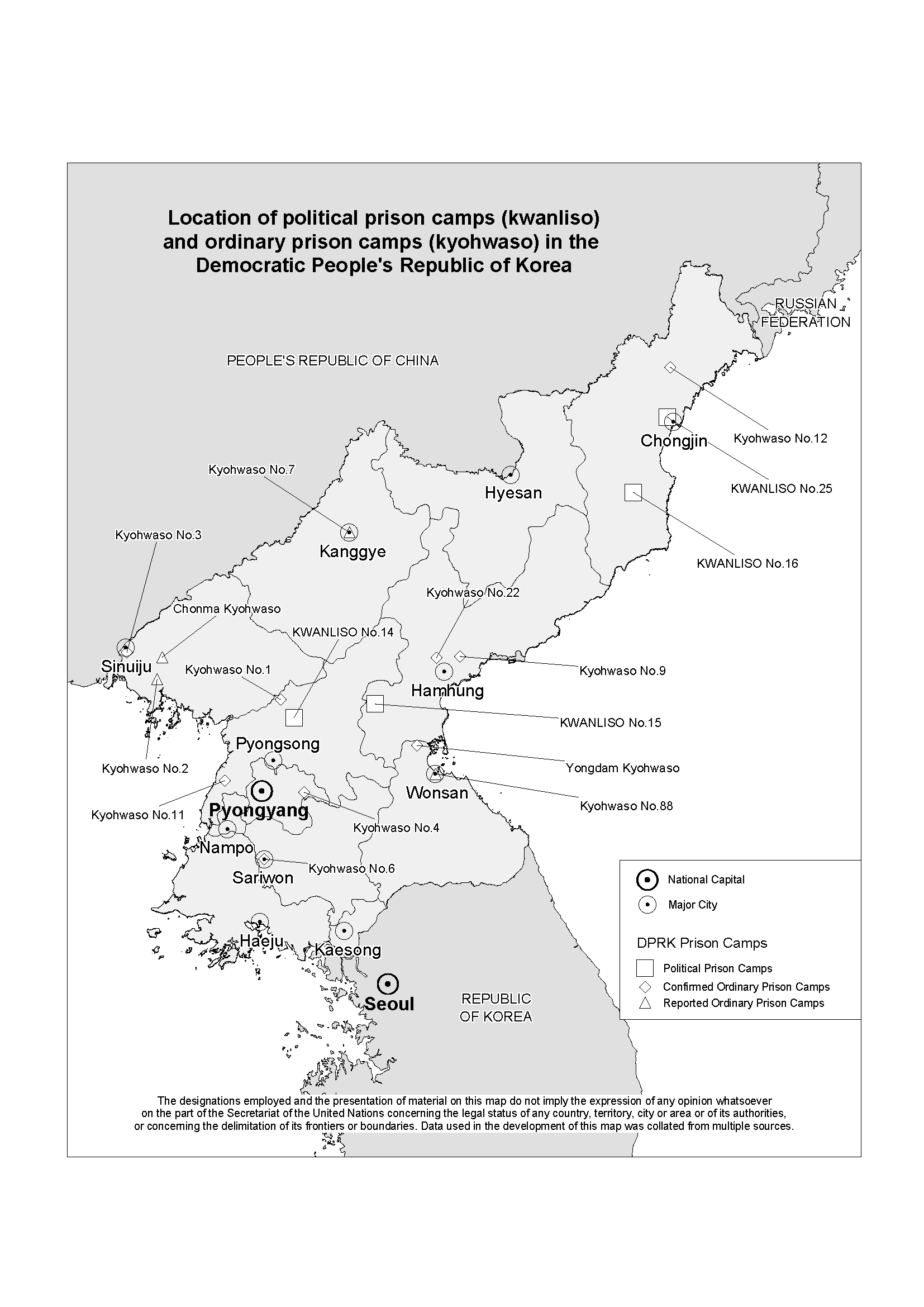
The legitimate governance problem has eluded international efforts to resolve it since 1948, when elections for governance of the entire peninsula, as authorized by the UN, failed to occur.[1] This failure resulted in the creation of the rival North and South Koreas, devastating warfare, armistice instead of peace, and the on-going split of the peninsula. The North, called the Democratic People’s Republic of Korea (DPRK), relied on the Soviet Union and China to survive, while the South, the Republic of Korea (ROK), relied on the United States under the mandate of the UN. When North Korea attacked on June 25, 1950, UN action in the Security Council was possible because the veto-wielding Soviet Union was boycotting it briefly, and after its return, the UN General Assembly (UNGA) took action through its landmark “Uniting for Peace” Resolution.[2]
The Korean War was the Cold War gone hot and it has never been fully extinguished. Tensions flare at times with military attacks, such as the 2010 sinking of the Cheonan, killing 46 ROK sailors; nuclear provocations (notably nuclear weapons tests in 2006, 2009, and 2013); missile launches; and various incidents such as the 2008 killing of a South Korean tourist at the North’s Mount Kumgang and the abductions of thousands of people from at least 14 nationalities as of 2011. These flare-ups punctuate efforts toward better relations in the form of the “sunshine” policy, diplomatic negotiations on denuclearization, joint economic ventures, and family reunions. At the same time, the ROK’s powerhouse economy and democratic governance roar ahead as the DPRK proceeds on a path of criminality, not only committing crimes against humanity, genocide, and war crimes,[3] but also counterfeiting U.S. dollars, illicit drug-dealing, cyberattacks, and other crimes stemming from the failure to develop a legitimate economy. Every measure of ROK prosperity dwarfs that of the DPRK, with even the average South Korean being physically taller and healthier than the average North Korean, who is often stunted by malnutrition. The South, with its far greater respect of human rights and economic prosperity, has without doubt provided better governance to Koreans than the North.
(Continued at the link below)